

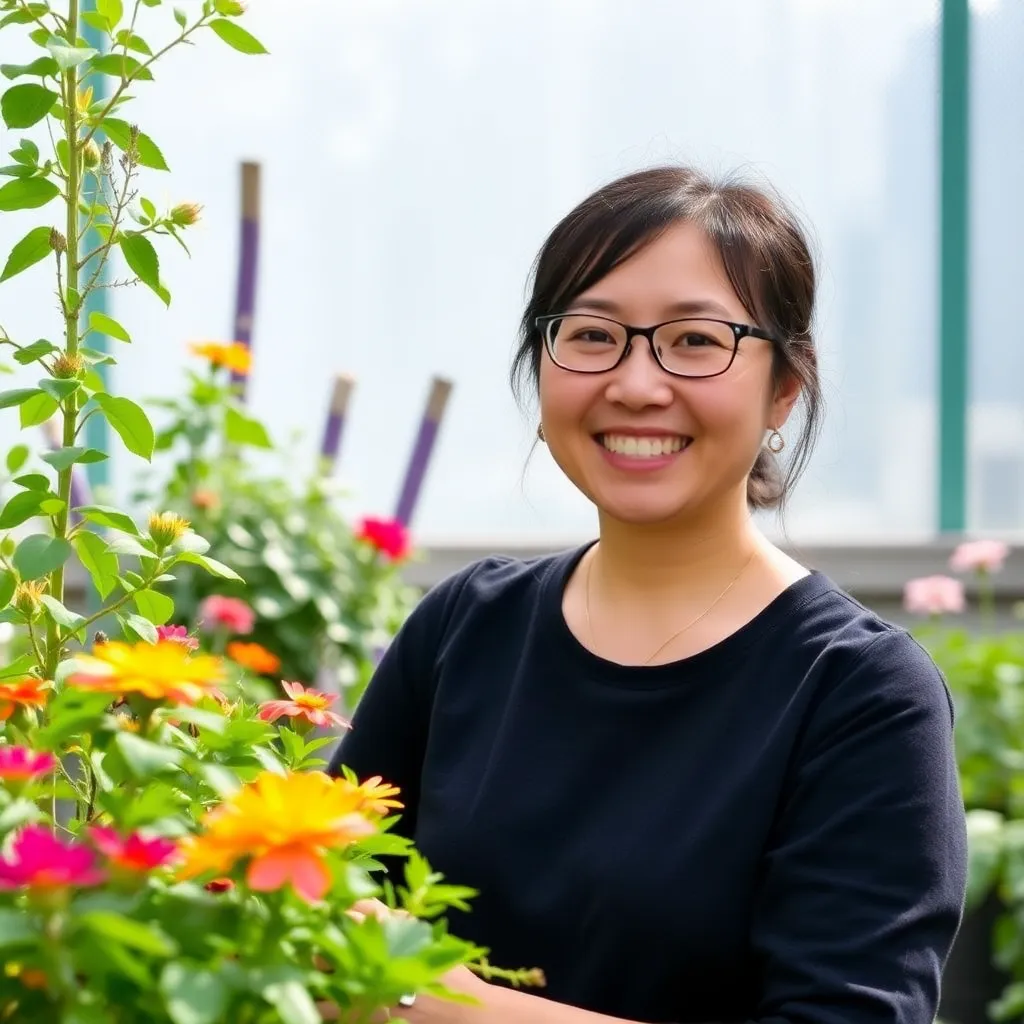
Raised bed vegetable gardening for beginners gives a fast way to grow food in small spaces. The guide shows clear steps to plan, build, and plant a first raised bed. It explains soil, water, and simple care routines. The reader will learn what to buy, how to place a bed, and which crops suit a first season. The tone stays practical and direct.
Key Takeaways
- Raised bed vegetable gardening for beginners offers faster soil warming, better drainage, and easier soil control, making it ideal for new growers.
- Plan your raised bed by choosing a sunny location, keeping the bed no wider than four feet, and using suitable materials like untreated cedar or composite boards.
- Prepare soil with equal parts compost, topsoil, and loam, adjusting pH to 6.0–6.8, and add organic fertilizer for healthy vegetable growth.
- Start with easy crops such as lettuce, radishes, and cherry tomatoes to build confidence and ensure quick harvests in your first raised bed.
- Use efficient watering methods like drip irrigation and mulch to conserve moisture, and monitor for pests regularly to maintain plant health.
- Keep a gardening calendar to track planting, fertilizing, and harvesting, which helps maximize yield and improve your raised bed vegetable gardening for beginners experience.
Why Raised Beds Are Ideal For New Vegetable Gardeners
Raised bed vegetable gardening for beginners offers clear benefits that help new growers succeed. Raised beds warm faster in spring. They drain better after rain. They let gardeners control soil quality without moving large amounts of native dirt. New gardeners gain defined paths and less bending. Raised bed vegetable gardening for beginners reduces soil compaction. It also limits weed spread from surrounding ground. They can start with a single bed sized to their time and space. Raised bed vegetable gardening for beginners improves accessibility for people with limited mobility. Raised beds let gardeners set depth for root crops and add compost easily. They create microclimates the gardener can manage with mulches and covers. Finally, raised bed vegetable gardening for beginners helps increase yield per square foot. That makes the method efficient for people who want more food from a small yard or balcony.
Plan, Build, And Prepare Your First Raised Bed Step-By-Step
Choose a location before you buy materials. They should pick a spot with six to eight hours of sun for most vegetables. Measure space and pick a bed width no wider than four feet. That width lets the gardener reach the center from each side. Select materials next. Untreated cedar or composite boards work well. Concrete blocks or steel also work. Raised bed vegetable gardening for beginners favors beds 6 to 12 inches tall for most crops. They should use 12 to 18 inches for root crops like carrots. Prepare soil by combining equal parts compost, topsoil, and a well-draining mix or loam. The gardener should add a balanced organic fertilizer per package directions. Test soil pH and adjust to 6.0–6.8 for most vegetables. If the site has heavy clay, add more compost and a handful of coarse sand to improve texture. Lay the frame on level ground and anchor corners with stakes. Fill the bed and water thoroughly to settle the mix. Add a 2–3 inch layer of mulch to reduce evaporation. Install drip irrigation or a soaker hose for steady, efficient watering. Raised bed vegetable gardening for beginners benefits from simple trellises for vining crops. Monitor beds weekly during the first month for settling and add more soil if needed. Rotate crops each year to reduce pests and disease. Keep notes on what grew well and what did not, so the gardener improves the next season.
Quick Starter Planting And Care Tips For Your First Year
Pick easy crops first. Lettuce, radishes, spinach, bush beans, and cherry tomatoes give fast results. They help new gardeners build confidence. Start seeds indoors for tomatoes and peppers six to eight weeks before the last frost. Direct sow lettuce, radishes, and beans once the soil reaches the right temperature. Space plants according to seed packet directions to avoid crowding. Use a balanced organic fertilizer at planting and again every four to six weeks for heavy feeders like tomatoes. Water early in the morning to reduce leaf disease. The gardener should water deeply two to three times per week in dry spells instead of light daily watering. Mulch around plants to keep soil cool and reduce weeds. Check for pests daily when plants are young. Handpick larger pests and use floating row covers to protect seedlings. For fungal issues, improve air flow and remove infected leaves. Pinch or prune indeterminate tomatoes to direct energy to fruit and keep plants manageable in a small bed. Harvest regularly to encourage more production. Keep a simple calendar for planting dates, fertilizing, and expected harvest windows. That habit helps the gardener plan successive plantings and keep the bed productive. Raised bed vegetable gardening for beginners pays off quickly when they choose the right crops and follow basic care steps.


