
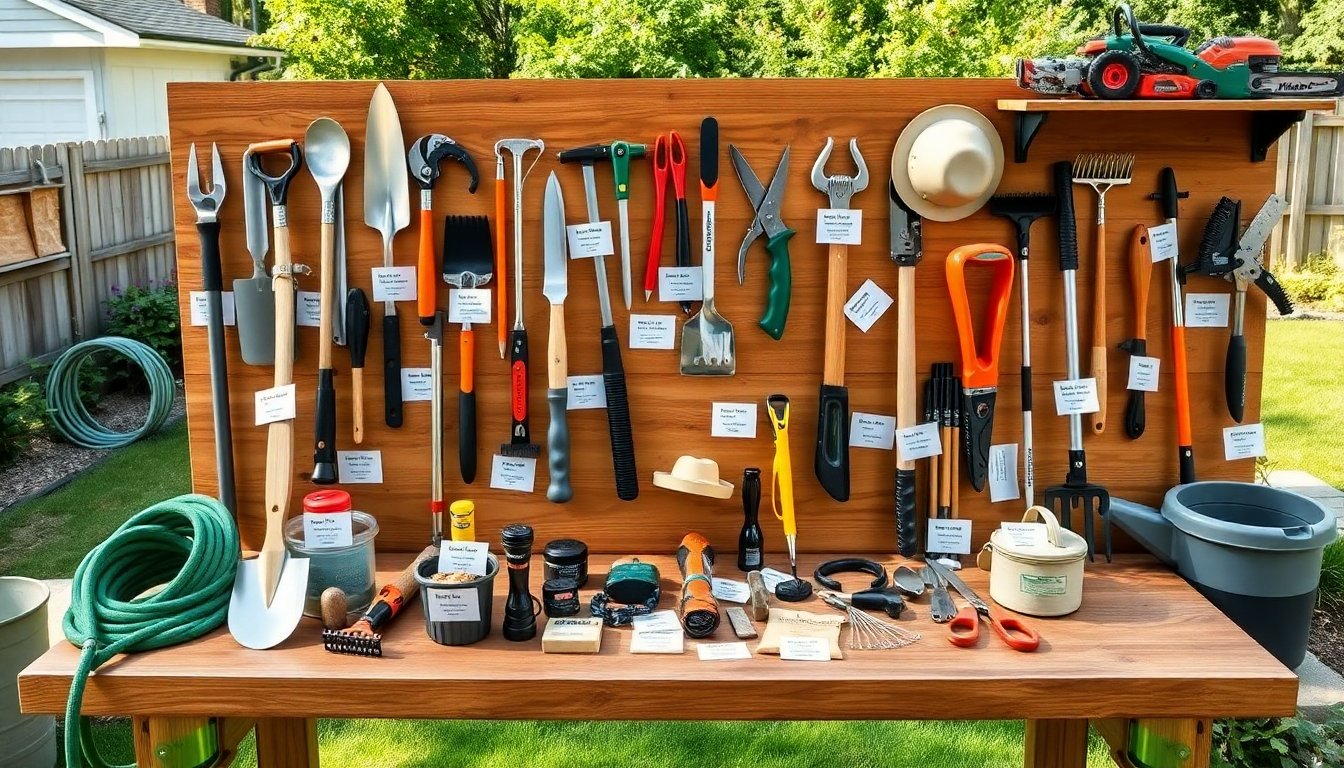

A clear gardening tools list helps a gardener prepare fast. This gardening tools list covers 25 items that fit small yards and large plots. It shows tools for planting, pruning, watering, soil care, and safety. The list suits a new gardener and a pro who wants a quick checklist. Each item includes a short note on use and care.
Key Takeaways
- A comprehensive gardening tools list enables quick preparation for any garden size by including essential items for planting, pruning, watering, soil care, and safety.
- Core hand tools like trowels, pruners, and cultivators are vital for effective gardening and require regular maintenance such as oiling and sharpening for longevity.
- Watering and soil health tools, including hoses, moisture meters, and soil test kits, support optimal plant growth and resource conservation.
- Large garden tools such as shovels, wheelbarrows, and powered equipment enhance efficiency but demand proper safety gear and regular inspections.
- Consistent tool maintenance and safe storage extend the life of gardening tools and ensure a safe, productive gardening experience.
Core Hand Tools Every Gardener Needs
The first group on the gardening tools list centers on hand tools. A hand trowel digs small holes for seedlings. A transplanter has a narrow blade for tight spaces. A hand fork loosens soil in raised beds. A hori-hori knife cuts roots and opens bulbs.
A pruning shear trims stems and small branches. A bypass shear makes clean cuts on live wood. An anvil shear suits dead wood. A pair of long-handled loppers reaches higher branches.
A cultivator turns soil and removes weeds. A weeder pulls deep roots without damaging roots nearby. A hand rake levels soil and removes debris. Gloves protect hands from cuts and blisters. A kneeling pad gives knee support during long tasks.
A soil knife serves multiple jobs and saves trips to the shed. A moisture meter gives a quick soil reading. A garden tote or bucket carries tools while walking. The gardening tools list places emphasis on durable steel and comfortable grips. The gardener should oil moving parts and store tools dry. The gardener should sharpen blades yearly.
Watering, Soil And Plant-Health Essentials
This section of the gardening tools list groups items that support plant health. A garden hose supplies water across beds. A nozzle or wand controls flow for seedlings and mature plants. A watering can fits small containers and indoor plants.
A sprinkler covers lawns and larger beds. A soaker hose gives slow deep watering for roots. A rain barrel stores water and reduces water bills.
Soil matters for every gardener on the gardening tools list. A soil test kit reveals pH and nutrient levels. Compost or aged manure adds nutrients and improves texture. A hand-held spreader helps apply amendments evenly. Mulch conserves moisture and reduces weeds.
Plant health needs monitoring tools. A garden journal records planting dates and pest issues. Sticky traps reveal flying pests. Neem oil and insecticidal soap control many common pests with low toxicity. Fungicide treats common leaf diseases. A small magnifier helps inspect leaves and stems for tiny pests.
This gardening tools list recommends checking soil moisture before watering. The gardener should follow label instructions for any spray product. The gardener should rotate crops and remove diseased material promptly.
Larger Tools, Safety Gear, And Maintenance Supplies
The final group in the gardening tools list covers larger gear and upkeep. A shovel digs holes and moves soil. A spade cuts sod and shapes beds. A wheelbarrow moves heavy loads in fewer trips. A garden fork turns compost and breaks ground.
A rake collects leaves and levels soil. A hoe removes young weeds across rows. A powered tool such as a string trimmer trims edges and tall grass. A mower keeps lawn areas neat. A chainsaw handles thick branches but requires care and training.
Safety gear belongs on every gardening tools list. Safety glasses protect eyes from debris. Ear protection limits noise from motors. A sturdy pair of boots protects feet. A wide-brim hat and sunscreen reduce sun risk.
Maintenance supplies increase tool life. A wire brush cleans rust and dirt. Tool oil lubricates hinges and moving parts. Replacement blades and spare line for trimmers keep work moving. A sharpening stone restores cutting edges quickly. A lockable storage shed or cabinet keeps tools safe and dry.
The gardener should inspect large tools monthly. The gardener should tighten loose bolts and replace damaged handles. The gardener should store fuel in approved containers and away from direct heat. Regular care extends tool life and improves safety.


