
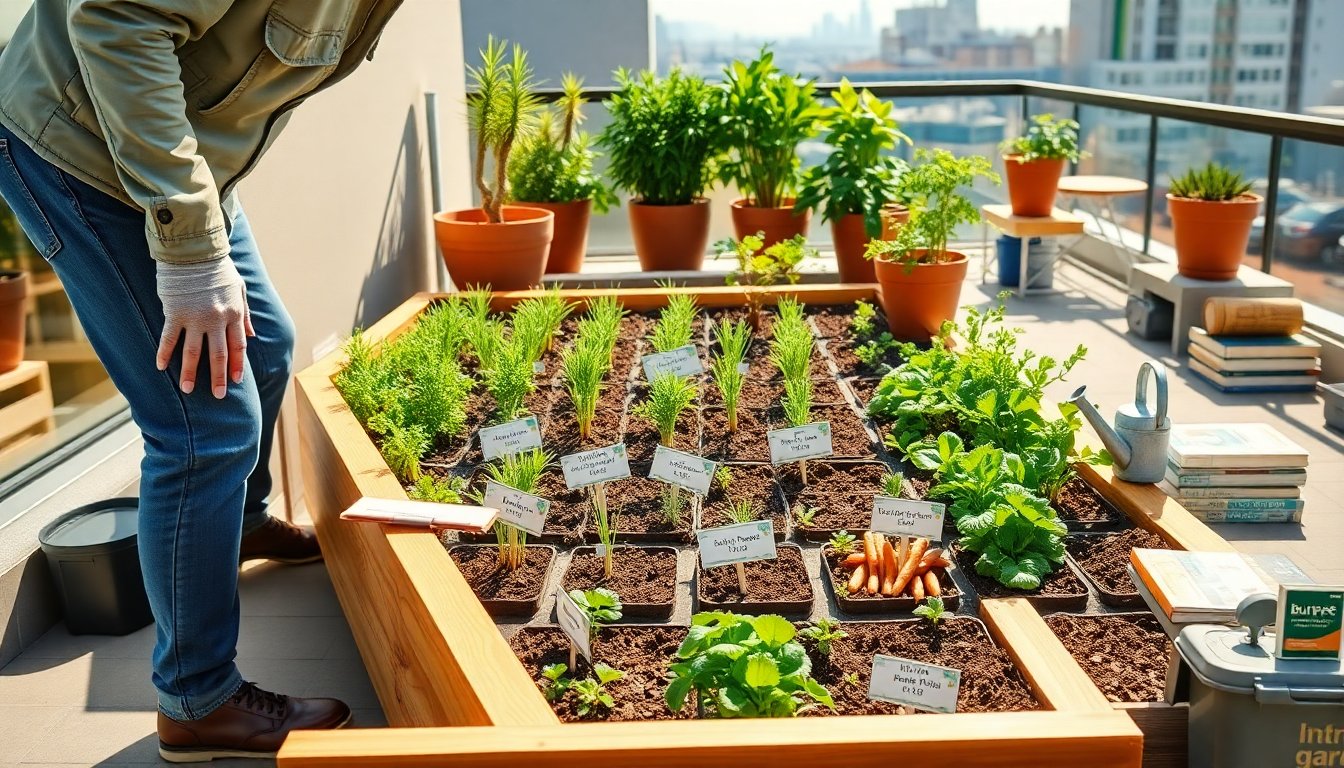

Burpee gardening lets gardeners grow many crops in small yards. It uses dense planting, raised beds, and careful crop choice. It reduces wasted space and boosts yield. It fits patios, balconies, and narrow strips. It works for beginners and experienced gardeners. This article explains what burpee gardening is, how to start one, and how to avoid common mistakes.
Key Takeaways
- Burpee gardening maximizes yields in small yards by using dense planting, raised beds, and choosing compact, high-yield crops.
- This gardening method suits patios, balconies, and narrow spaces, making it ideal for urban gardeners and renters.
- Proper soil preparation with compost and balanced organic fertilizer is essential for successful Burpee gardening.
- Close spacing should follow specific guidelines, and vertical supports like trellises help optimize space and air circulation.
- Deep, infrequent watering and regular pest management improve plant health in Burpee gardening.
- Consistent maintenance, timely planting, and crop rotation ensure continuous harvest and prevent soil depletion.
What Burpee Gardening Is And Why It Works For Small Yards
Burpee gardening describes a compact, intensive planting method. It emphasizes small beds, close spacing, and continuous harvest. It relies on quality soil, good varieties, and frequent care. It increases yield per square foot. It lets gardeners use patios, balconies, and narrow strips effectively.
Advocates choose short-season and high-yield crops. They plant tomatoes, peppers, lettuces, bush beans, and compact squash. They arrange plants to share light and soil without crowding roots. They use raised beds, deep containers, and tiered planters. They add compost and mulch to support dense planting.
Burpee gardening reduces walking and maintenance time. It allows hand-tending and quick harvesting. It makes pest control easier by concentrating plants. It also improves succession planting. Gardeners can clear a bed quickly and start a new crop.
This method emphasizes timing. It uses seed-start schedules and transplant windows. It uses pruning and trellising to keep plants small and productive. It favors determinate tomato varieties and dwarf legumes to save space. It pairs tall and low plants to use vertical space.
People choose burpee gardening when they want more vegetables from less land. It works for families who cook at home and for renters who need portable options. It fits raised-bed makers, container growers, and urban gardeners.
Step‑By‑Step Guide To Starting Your First Burpee Garden
Plan the space first. They measure available area and pick a sunniest spot. They mark bed edges and decide on containers or raised boxes. They aim for six to eight hours of sun for most vegetables.
Prepare soil next. They remove debris and loosen soil to one foot depth. They mix compost and a balanced organic fertilizer into the top eight inches. They test pH when possible and adjust to a range of 6.0 to 7.0 for most crops.
Choose crops that fit small spaces. They select compact varieties and short vines. They plant determinate tomatoes, dwarf peppers, baby leaf lettuces, bush beans, and small carrots. They avoid huge vining squash or tall indeterminate tomatoes without trellises.
Start seeds and transplants on a schedule. They sow seeds indoors for tomatoes and peppers six to eight weeks before the last frost. They sow direct-seed crops, like beans and carrots, after the last frost. They harden off transplants for a week before planting outside.
Plant with close spacing. They follow spacing charts for intensive beds. They place tomatoes 18 inches apart, peppers 12 to 16 inches apart, and lettuces every 6 to 8 inches. They use square-foot layouts and interplant fast and slow crops.
Use vertical supports. They add trellises and cages to grow beans and vining crops upward. They prune excess foliage to increase air flow and fruit set. They water deeply but infrequently to encourage strong roots.
Maintain the bed weekly. They weed, mulch, and check pests. They harvest regularly to keep plants productive. They replace finished crops quickly to maintain constant yield.
Common Mistakes, Troubleshooting, And Seasonal Care Tips
One common mistake is overplanting without soil amendments. Gardeners cram plants into small beds and expect good yield. Burpee gardening needs rich soil. They add compost and organic fertilizer before planting. They test soil if plants show poor growth.
Another mistake is poor watering practice. Gardeners water lightly every day. This practice keeps roots shallow and plants weak. Burpee gardening benefits from deep, less frequent watering. Gardeners water at the base and use drip lines or soaker hoses for efficiency.
Pest problems arise when plants sit too close without airflow. Gardeners prune lower leaves and space plants to improve air movement. They remove diseased foliage as soon as they see it. They use row covers or netting against insects when needed.
Nutrient deficiencies can appear midseason. Leaves turn pale or show spots. Gardeners side-dress with compost tea or balanced organic fertilizer. They follow label rates and repeat feeding every four to six weeks during heavy fruiting.
Seasonal care matters. In spring they start strong with warm soil and good drainage. In summer they add shade cloth on the hottest days for heat-sensitive crops. In fall they plant cool-season greens and root crops for late harvest.
Winter care depends on location. In mild climates they extend the season with cold frames and low tunnels. In cold climates they clear beds and store compost for spring. They save seed from healthy plants for the next year when allowed by local rules.
If yields drop, gardeners rotate crops and rest beds. They plant legumes to fix nitrogen and follow a simple three-year rotation plan. They keep notes on dates, varieties, and problems. They adjust practices next season based on those notes.
Burpee gardening rewards steady care. Gardeners who plan, feed, water, and harvest will get high yields from small spaces.


