
Gardening boxes help people grow food and flowers in tight spaces. This guide shows how to pick, build, and plant gardening boxes. It explains materials, sizes, and styles. It gives step-by-step build instructions for beginners. It lists soil, planting, and maintenance tips to improve yield. The guide keeps advice practical and clear so readers can start quickly.
Key Takeaways
- Gardening boxes allow efficient growing of vegetables, herbs, and flowers in small or limited spaces by optimizing soil and sunlight conditions.
- Choose gardening box materials like cedar or redwood for durability and avoid pressure-treated wood due to harmful chemicals.
- Select box sizes that fit your space and plant needs, aiming for widths that allow easy access and depths appropriate for root systems.
- Building a gardening box requires basic tools and planning: ensure good drainage, use landscape fabric, and consider self-watering features for convenience.
- Use a balanced soil mix of compost, topsoil, and aerators, and maintain proper watering, mulching, and pH levels to maximize plant growth and yield.
- Regular maintenance including pest monitoring, pruning, crop rotation, and nutrient replenishment is essential to sustain productivity in gardening boxes.
Which Gardening Box Is Right For You: Materials, Sizes, And Styles
Choose a gardening box after testing site sunlight and measuring space. A person should list needs: vegetables, herbs, or ornamentals. Wood boxes offer good insulation and a classic look. Cedar and redwood resist rot and last longer than pine. A person should avoid pressure-treated lumber that uses harmful chemicals. Metal boxes suit modern patios and last a long time. Metal heats faster in sun, so place them where heat helps plants.
For sizes, a gardener should pick widths that allow easy reach. A 3 to 4 foot width lets someone reach the center from either side. Depth matters: choose 6 to 12 inches for herbs and shallow roots. Choose 12 to 18 inches for most vegetables and small shrubs. Length can vary to fit space: longer beds ease crop rotation.
For styles, raised beds sit directly on soil and boost drainage. Box-on-legs units lift soil to waist height and cut back bending for older gardeners. Stackable modular boxes offer flexibility: a person can add units over time. Self-watering boxes store water in a reservoir and reduce daily watering. Mobility is a factor: a gardener should pick lightweight boxes or add caster wheels when they need to move plants.
A buyer should check cost, maintenance, and appearance. Wood costs vary by species. Metal and composite boxes can cost more up front but need less upkeep. Recycled plastic resists rot and does not leach chemicals. A gardener should weigh longevity against budget and choose the option that fits the garden plan.
How To Build And Install A Gardening Box: Step‑By‑Step For Beginners
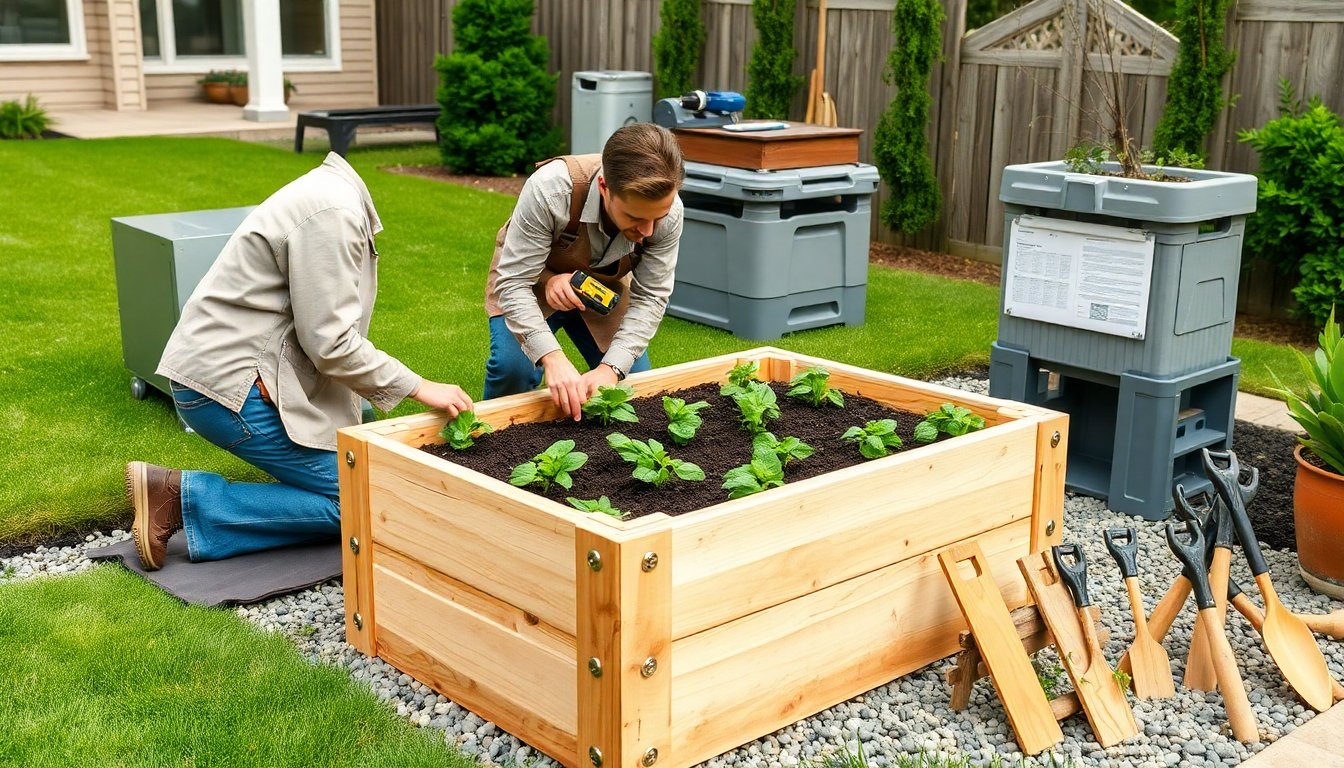
A beginner should start with a clear plan and basic tools: saw, drill, screws, level, and measuring tape. Measure and mark the site. Clear turf and level the ground or place the box on raised gravel for drainage. Cut boards to size and assemble the sides with screws. Use corner braces for extra strength. A builder should pre-drill holes to prevent wood splitting.
If a person makes a waist-high box, attach legs and reinforce corners with brackets. Line the interior with landscape fabric to keep soil while allowing water flow. If the box sits on grass, add a 1 to 2 inch layer of gravel or coarse sand to the base for drainage. For heavy clay soil, raise the bed at least 12 inches to avoid waterlogging.
For a self-watering system, a builder should add a bottom reservoir and a fill tube. Add a wicking fabric from the reservoir into the soil to allow steady moisture. Test the system by filling the reservoir and checking that soil stays moist for several days.
A person should fill the box with a light, fertile mix. Use a blend of topsoil, compost, and a lightweight component like coconut coir or peat moss to keep structure and drainage. Level the soil and water it to settle. Let the box sit for a few days before planting so the soil can integrate.
For final placement, a gardener should orient long sides east-west for even sun exposure. Anchor large boxes with rebar if wind or frost heave is a concern. A person should paint or seal outside faces of wood to extend life and avoid sealing interior surfaces that contact soil.
Planting, Soil, And Maintenance Tips To Maximize Yield
A gardener should choose plants that match light and box depth. Full-sun vegetables need six to eight hours of direct light. Leafy greens tolerate partial shade and suit shallower boxes. Start with seedlings for a fast harvest or sow seeds for cost savings. Rotate crops within boxes each season to reduce disease and pest buildup.
Soil matters more than the box. Mix one part compost with two parts topsoil and one part aerator like perlite. This mix feeds plants and drains well. Add slow-release fertilizer at planting and side-dress with compost mid-season. A gardener should test pH once a year: most vegetables prefer pH 6.0 to 7.0. Lime or sulfur can adjust pH in small steps.
Watering must match plant needs. Water deeply and less often to encourage strong roots. Check moisture with a finger probe to 2 inches. Add mulch over soil to cut evaporation and keep soil temperature steady. Replace mulch yearly to maintain a clean surface.
Pests and diseases need regular checks. A gardener should inspect leaves weekly and remove damaged material. Use physical barriers like row covers for insects and hand-pick slugs at night. For persistent problems, apply targeted organic controls such as neem oil or insecticidal soap.
Pruning and harvest extend productivity. Pinch tomato suckers and trim crowded growth to improve air flow. Harvest herbs frequently to promote new shoots. After harvest season, remove spent plants and add a fresh 1 to 2 inch layer of compost to top up nutrients. A gardener who follows these routines will get higher yields from small gardening boxes.


