
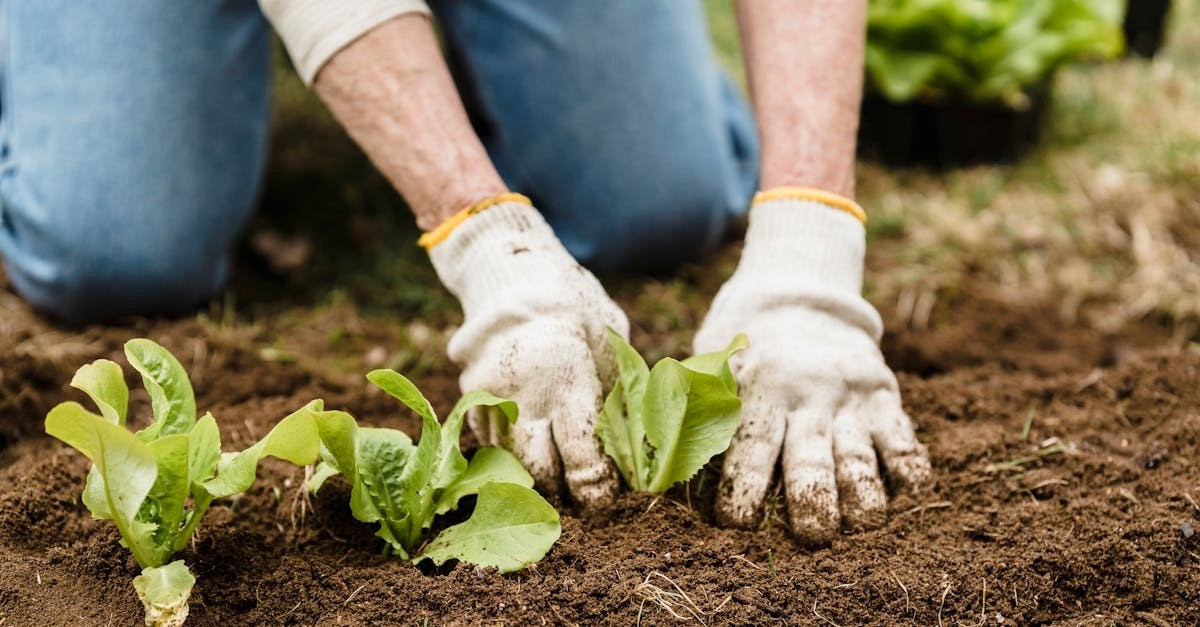

So, you’ve decided to jump into the world of raised bed vegetable gardening? Smart choice. Not only does it make gardening more manageable, but it also gives us an excuse to play in the dirt like little kids again. And who doesn’t love the idea of fresh veggies right outside our door? Plus, you’ll finally have a great answer to the question: ‘What’s your favorite way to eat vegetables?’ Let’s get our hands dirty, shall we?
Benefits Of Raised Bed Gardening
Raised bed gardening offers a smorgasbord of benefits that we simply can’t ignore. For starters, it gives us better control over soil quality. Since we’re choosing the soil mix ourselves, we can avoid the pitfalls of our native soil’s challenges, be it poor drainage or unexpected pests. Plus, with raised beds, we get to enjoy improved drainage and warmer soil, which translates to an earlier planting season. And let’s not forget, these beds are a back-saver. We can garden without bending too far over, making it a bit easier on our backs and knees. Overall, raised bed gardening maximizes our space and enhances the efficiency of growing vegetables.
Choosing The Right Location
Selecting the perfect location for our raised bed can make all the difference. Ideally, we want a spot that receives at least six to eight hours of sunlight daily. A sunny location encourages our veggies to flourish. Also, it’s best to choose an area that’s easily accessible. After all, who wants to hike across the yard just to water some plants? We should also consider potential shade from trees or buildings. Trust me: we want our plants soaked in sun, not hiding in shadows.
Constructing Your Raised Bed
Building our raised bed is the fun part. We can use various materials, wood, composite, or even bricks. Wooden boards are a popular choice, but let’s make sure they’re untreated to avoid chemicals leaching into our soil. A typical size of four by eight feet often works best, allowing us ample room to plant while ensuring we can easily reach the center. Finally, don’t forget to think about drainage. We might want to elevate the bed slightly to allow excess water to flow away. Trust me: soggy roots are not what we’re aiming for.
Selecting The Best Soil Mix
Now that we have our raised bed set up, it’s time to fill it with the right soil mix. A great blend typically consists of three parts: high-quality garden soil, compost, and organic matter. This combination ensures our plants receive ample nutrients while promoting good drainage. Using a soil mix gives our veggies a solid foundation to grow strong and healthy. Don’t forget to check the pH levels: most vegetables thrive in slightly acidic to neutral soils (around 6.0 to 7.0). With the right soil, our plants can truly shine.
Choosing Vegetables To Grow
Choosing the right vegetables is where the excitement really kicks in. If we are new to gardening, starting with easy-to-grow veggies like tomatoes, lettuce, and radishes is an excellent idea. They tend to sprout quickly, giving us immediate satisfaction and keeping our enthusiasm high. We might want to consider the growing season: some vegetables prefer cool weather, while others bask in the heat. Let’s plan our planting accordingly to get the most produce out of our raised beds.
Caring For Your Raised Bed Garden
Caring for our raised bed garden is crucial for success. Regular watering is vital, especially during dry spells. It’s best to water deeply and less frequently rather than giving a light sprinkle daily: this encourages our plants to establish deep roots. Applying mulch around our plants can help retain moisture and deter pesky weeds. Speaking of weeds, we need to keep an eye out for them and pull them out as needed. Incorporating some organic fertilizers and compost throughout the growing season can also give our veggies the nutritional boost they need.


