
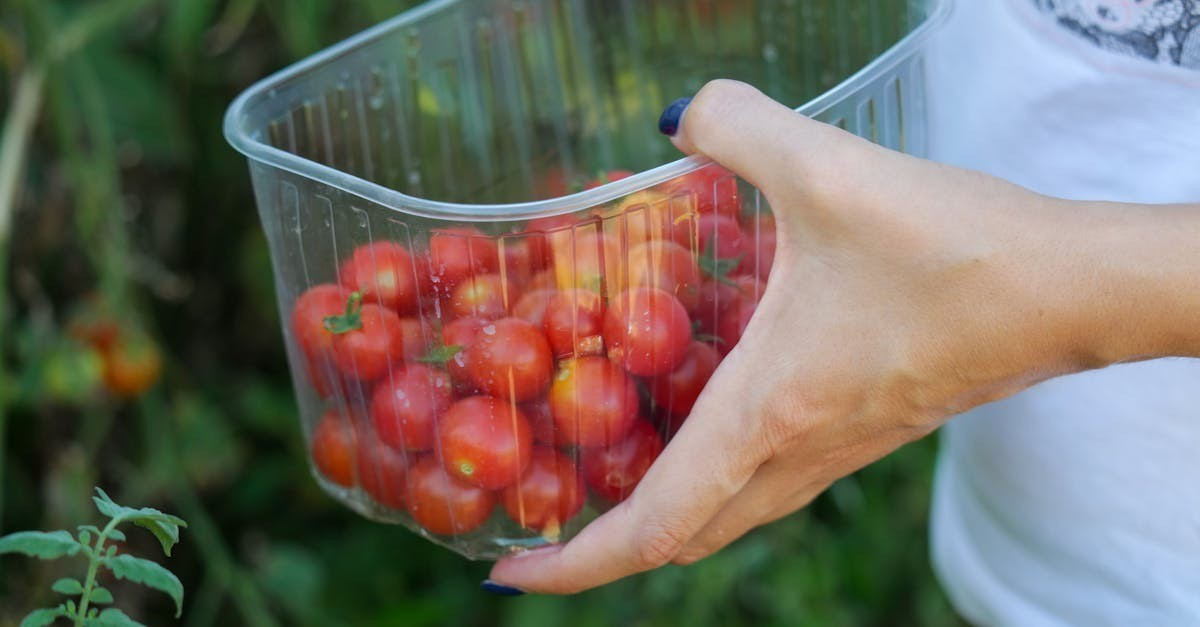
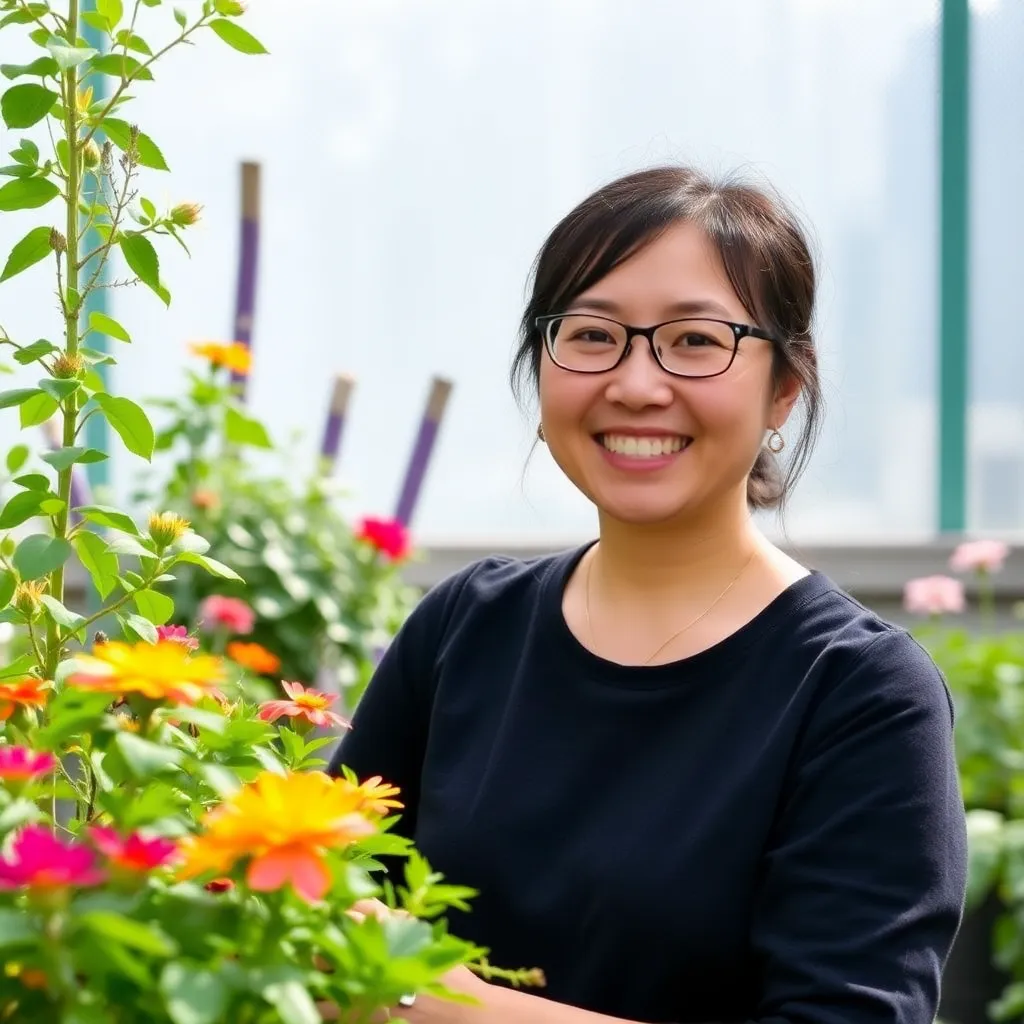
Imagine stepping outside to pluck vibrant tomatoes and crisp lettuce, all grown in your backyard or balcony. Sounds like a dream, right? Well, we can turn that dream into a reality with container gardening. Not only does it maximize limited space, but it also adds a splash of color to our living environment. Plus, let’s face it: who wouldn’t want a mini farm at home, making our meals fresher and more delicious? Today, we’re diving into the wonderful world of container gardening vegetables and all the tips we need to get started.
Benefits of Container Gardening
Container gardening isn’t just for those with green thumbs: it’s accessible to all of us. One of the biggest perks? We can cultivate our favorite veggies without a sprawling yard. Think about it: whether we live in an apartment or a home with limited outdoor space, containers allow us to garden anywhere.
Also, container gardening offers improved soil control. We can pick the best mix for our plants, ensuring they get all the nutrients they crave. Plus, many containers are mobile. If some plants aren’t thriving due to inadequate sunlight, we can simply move them to a sunnier spot. Last but not least, containers can act as beautiful decorative pieces, adding elegance to our gardens or patios.
Choosing the Right Containers
When it comes to selecting containers, we have a variety of options at our fingertips. From traditional terracotta pots to modern self-watering planters, the choices are endless. It’s essential to prioritize drainage: we want to avoid soggy roots. Holes at the bottom are a must.
Also, size matters. For a tomato plant, we need at least a five-gallon container, while herbs can thrive in smaller pots. We might want to think about the material too: while terracotta offers breathability, plastic containers are lightweight and often easier to handle.
Best Vegetables for Container Gardening
Not all vegetables are created equal when it comes to container gardening. We want to pick varieties that will thrive in smaller spaces. Some great options include:
Lettuce – Fast-growing and can be planted close together.
Radishes – They grow quickly, perfect for impatient gardeners.
Cherry Tomatoes – They do wonderfully in containers, delivering tasty fruits without sprawling everywhere.
Peppers – Spice up our meals with a mix of bell peppers and hot varieties.
Herbs – Basil, parsley, and mint can flourish in smaller pots while adding flavor to our dishes.
Soil and Fertilizer Requirements
Our container gardens won’t thrive on just any soil. We should opt for a high-quality potting mix that offers good drainage and is packed with nutrients. Organic options often yield the best results.
As for fertilizer, regular feeding is key. Initially, we can mix in some slow-release fertilizer at planting. Then, we can switch to a liquid fertilizer every few weeks to keep our plants nourished throughout the growing season.
Watering and Maintenance Tips
Watering is where many of us might falter with container gardening. In containers, moisture can evaporate quickly, especially on hot days. To keep our plants happy, we need to check soil moisture frequently: often, this means watering every day.
Also, since weight can vary depending on the container and its size, we can test the moisture by lifting the container. A lighter pot indicates it’s time for a drink. And remember, a layer of mulch on top will help retain moisture while keeping weeds at bay.
Pest Control Strategies
Pests can be pesky little critters that threaten our hard work. To minimize their impact, we can use organic insecticidal soap or neem oil, both of which are effective and environmentally friendly.
Regularly checking our plants for signs of trouble can also help catch issues early. Interplanting flowers, like marigolds, can serve as natural repellents. If all else fails, we can invite some ladybugs to the party: these little ladies love munching on aphids.


