
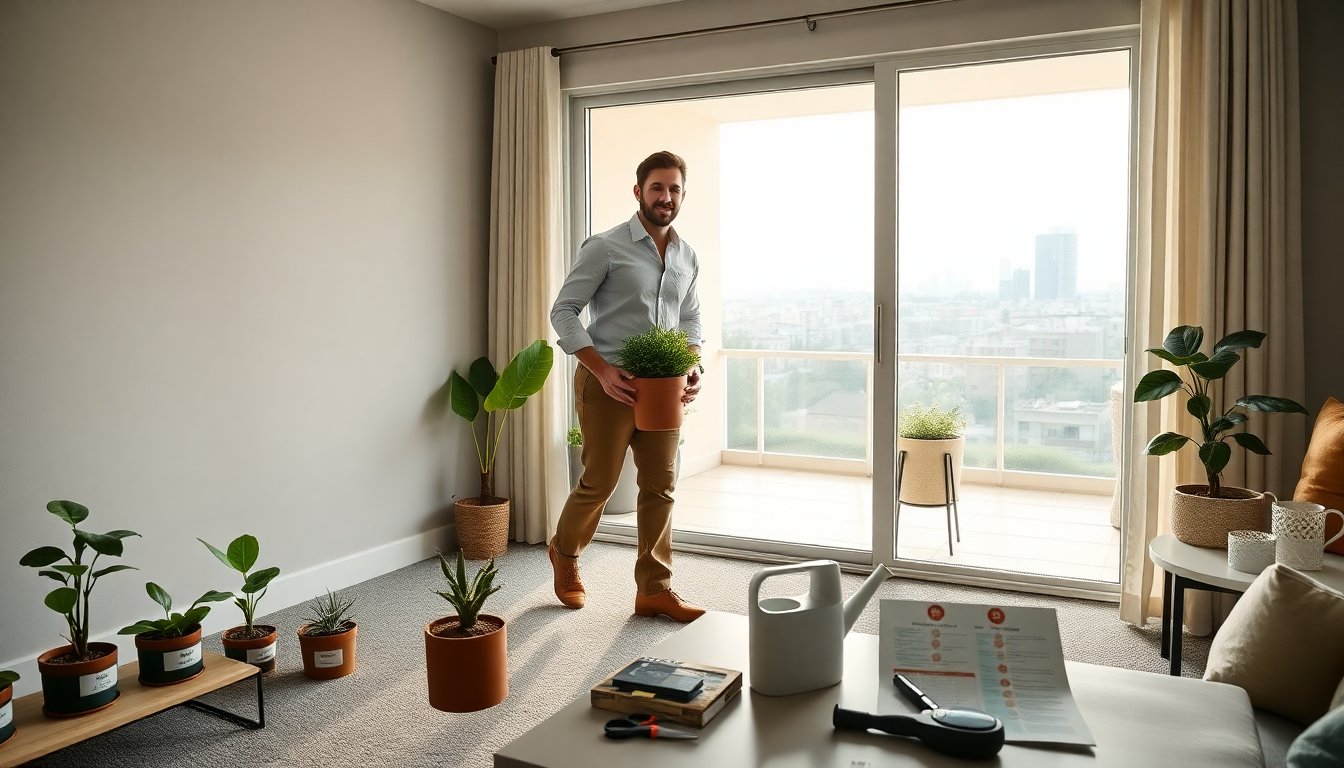

Indoor outdoor plants offer flexibility for homes and gardens in 2026. They let people move green life between rooms and yards. This guide helps readers pick indoor outdoor plants, care for them, and move them safely. It gives clear steps and common fixes. The language stays direct so readers can act quickly.
Key Takeaways
- Choosing the right indoor outdoor plants depends on assessing light, climate zones, size, and intended function to ensure adaptability.
- Proper care for indoor outdoor plants involves matching light, water, soil type, and placement to each plant’s specific needs for healthy growth.
- Transition plants gradually between indoors and outdoors to prevent shock, sunburn, and cold damage while monitoring pest issues closely.
- Regular maintenance including feeding with balanced fertilizer, repotting when root-bound, and pest inspection supports plant resilience year-round.
- Keeping records of moves, environmental conditions, and care routines helps track plant health and optimize indoor outdoor plant success.
How To Choose The Right Plants For Indoors, Outdoors, Or Both
Choose indoor outdoor plants based on light, climate, and purpose. First, assess light levels where the plant will live. Measure light by observing sun patterns or using a light meter. Low light suits snake plant, ZZ plant, and pothos. Bright indirect light suits peace lily and many ferns. Full sun suits succulents and many herbs.
Second, check hardiness and heat tolerance. Read plant tags and zone charts. Pick plants rated for the local winter if they will spend time outside. Choose plants that tolerate heat if they will sit on a sunny patio in summer.
Third, match size and growth habit to space. Choose compact varieties for apartments. Choose clumping or trailing types for containers and hanging baskets. Consider mature size to avoid overcrowding both indoors and outdoors.
Fourth, decide on function. Choose air-purifying plants for indoor bedrooms. Choose pollinator-friendly plants for outdoor beds. Choose versatile species if they must move between inside and outside often.
Fifth, inspect health before purchase. Look for firm stems, clean leaves, and no pests. Avoid plants with sticky residue, webbing, or brown crowns. Healthy plants adapt better when moved between environments.
Indoor outdoor plants that adapt well include spider plant, coleus, basil, rosemary, fiddle leaf fig (if given bright light), and geranium. They show tolerance to pot life, light changes, and brief temperature shifts. Choose varieties with known adaptability to reduce shock when transitioning.
Care Essentials: Light, Water, Soil, And Placement For Healthy Indoor/Outdoor Growth
Light controls growth and flowering for indoor outdoor plants. Place each plant where it gets the light it needs. Rotate containers weekly so the plant grows evenly. Use sheer curtains to soften hot sun for indoor plants. Move plants outside gradually to avoid sunburn.
Water affects root health and disease risk. Water when the top inch of soil feels dry for many houseplants. Water succulents less often and water ferns more often. Water thoroughly until water drains from the pot then let the soil dry to the plant’s preference. Use pots with drainage holes to prevent root rot.
Soil must match plant needs. Use well-draining mix for succulents and cacti. Use peat-based mix for moisture-loving indoor plants. Use a general potting mix for herbs and most tropicals. Add perlite or sand to improve drainage for outdoor containers.
Placement affects temperature and air circulation. Place plants away from cold drafts and from direct heat vents. Place outdoor plants where wind does not batter them. Ensure good air flow to reduce fungal disease indoors and outdoors.
Fertilizer supports growth in pots. Feed indoor outdoor plants during the active season. Use a balanced liquid fertilizer at half strength every two to four weeks for most plants. Use a higher phosphorus formula to boost blooms when needed.
Pest control requires routine checks. Inspect leaves and soil weekly. Treat mealybugs and aphids with insecticidal soap or neem oil. Remove pests by wiping leaves for small infestations. Quarantine new plants for two weeks before placing them near others.
Container care matters. Repot root-bound plants to the next pot size. Refresh topsoil annually to restore nutrients. Use lightweight pots for ease of moving plants between inside and outside. Secure large pots outdoors to prevent tipping in wind.
Seasonal Moves, Transitioning Plants And Troubleshooting Common Problems
Plan seasonal moves before temperature extremes. Move tender plants indoors before the first hard frost. Move plants outside after the last spring frost and after nights stay above the plant’s cold tolerance. Check local frost dates and use them to schedule moves.
Transition plants gradually. Move them for a few hours per day and increase time outside over a week. This process helps plants adjust to higher light and wind. Reduce watering slightly during the transition if soil stays moist longer outdoors.
Avoid shock by trimming dead material before moving. Clean leaves and remove spent blooms. Repot if the plant is root-bound. Use a slow-release fertilizer a week after a big move to help recovery.
Watch for sunburn and cold damage. Sunburn appears as pale or brown patches on leaves after sudden sun exposure. Move the plant to filtered light and trim damaged leaves. Cold damage shows blackened or mushy tissue. Cut away damaged tissue and keep the plant warm and dry.
Handle pests and disease that appear after moves. Inspect plants after each move and treat pests early. Use cultural controls like spacing and pruning to reduce humidity and disease risk. Apply fungicide for persistent fungal problems according to label directions.
Troubleshoot common growth issues. Yellow leaves often mean overwatering. Brown crispy edges often mean low humidity or underwatering. Leggy growth often means low light: move the plant to brighter light and prune to encourage branching.
Keep records of moves and care. Note dates, light levels, and fertilizing. Records help identify patterns that affect plant health. With regular checks and simple care, indoor outdoor plants should thrive through seasonal changes.


